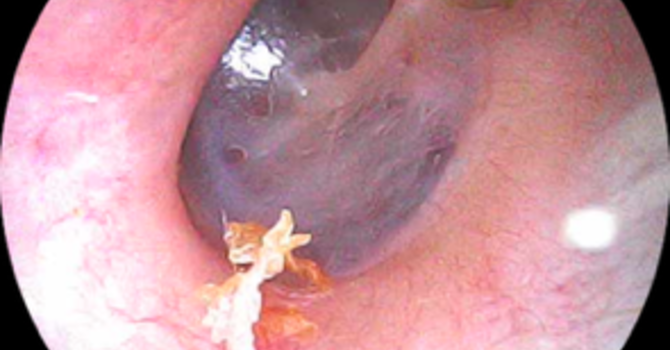
What Is Tinnitus?
Tinnitus is the perception of sound, often ringing, buzzing, or humming, when no external sound is actually present. It can be constant or come and go, and it can affect one ear or both.
Tinnitus itself isn't a disease. It's usually a symptom of something else, and one of the most common underlying causes is hearing loss. Many people who come in for tinnitus are surprised to learn they have measurable hearing loss they hadn't noticed.
Other contributors can include noise exposure, certain medications, and age-related changes in hearing. Because the causes vary, tinnitus is worth having properly evaluated rather than assumed to be something you simply have to live with.
How We Approach Tinnitus at Texas Hearing Center
Dr. Deven Martin evaluates tinnitus as part of a full hearing assessment, since the two are so often connected. Rather than treating tinnitus in isolation, Dr. Martin looks at your overall hearing health to understand what's likely driving it.
For many patients, addressing underlying hearing loss, including through properly fit hearing aids, meaningfully reduces how noticeable tinnitus is day to day. For others, management strategies focus more directly on the tinnitus itself.
What to Expect at Your Appointment
Step 1: Hearing Evaluation
Step 2: Discussion of Findings
Step 3: A Personalized Plan
Outcomes From Tinnitus Evaluation and Care
Many patients are relieved simply to understand what's causing their tinnitus rather than being told nothing can be done. Patients whose tinnitus is linked to hearing loss often notice it becomes less noticeable once hearing aids are properly fit. Even when tinnitus can't be fully resolved, most patients leave with concrete strategies for managing it day to day.
Frequently Asked Questions About Tinnitus
It depends on the cause. Some tinnitus improves once an underlying issue like hearing loss is addressed, while other cases are managed rather than eliminated.
For many patients whose tinnitus is connected to hearing loss, properly fit hearing aids make tinnitus noticeably less bothersome by restoring the sounds the brain has been "filling in" for.
Any time it's persistent, bothersome, or paired with noticeable changes in your hearing, it's worth a full evaluation rather than waiting.
Texas Hearing Center is currently private-pay while we complete in-network credentialing with several insurers. We're glad to talk through pricing directly. Ask us about current pricing during your visit.
Ready to Get Answers About Your Tinnitus?
Dr. Deven Martin is currently accepting new patients in Humble, Kingwood, Atascocita, and across the greater Houston area, including Porter, New Caney, Conroe, Pasadena, Pearland, and Sugar Land. Same-day appointments are available.