What Are Hearing Aids, and Who Are They For?
Hearing aids are small electronic devices designed to amplify and clarify sound for people with hearing loss. They're most often sought out by adults noticing that conversations feel harder to follow, especially in groups or with background noise, or by people who've been told by a loved one that the TV volume has crept up over time.
Age-related hearing loss is the most common reason patients come to Texas Hearing Center for a fitting. It develops gradually, which is part of why so many people wait longer than they should to get evaluated.
Modern hearing aids do far more than simply make sound louder: they can be tuned to the specific frequencies a patient has trouble hearing, adjusted for different environments, and fine-tuned over multiple visits until the fit is right.
How We Approach Hearing Aids at Texas Hearing Center
Dr. Deven Martin, Au.D., fits every hearing aid using real ear measurement: a verification step that measures how sound is actually behaving in a patient's ear canal, rather than relying on manufacturer averages. It's considered the gold standard in the field, and it's a step many hearing aid retailers skip entirely.
This matters because two people with similar hearing tests can need very different settings. Real ear measurement is how we make sure the device is actually calibrated to your ear, not just the average ear.
Texas Hearing Center carries Phonak and Starkey hearing aids, and Dr. Martin's recommendations are shaped by more than a hearing test. Before opening her own practice, she worked as a hearing aid manufacturing representative training audiologists across the greater Houston area, which means she knows these devices from the inside, not just from a spec sheet.
What to Expect at Your Appointment
Step 1: Hearing Evaluation
Step 2: Fitting and Real Ear Measurement
Step 3: Follow-Up and Fine-Tuning
Outcomes From Hearing Aid Fittings
Patients typically report clearer conversation, especially in groups, within the first few adjustment visits. Most notice less mental fatigue from straining to hear by the end of the first month. Many patients also report feeling more comfortable in social settings they'd started to avoid.
One patient came in for a second opinion after wearing the same hearing aids for five years without much improvement. A full evaluation showed the devices simply weren't matched to her type of hearing loss. Once she was fit with appropriate hearing aids, she was surprised by how much clearer speech became; she'd seen several other providers over the years, and this was the first time her hearing aids actually worked for her.
Patient Reaction to New Devices
Hear directly from one of our patients. She was wearing hearing aids from a chain clinic before coming to see us. This patient found a significant improvement in her hearing by choosing Texas Hearing Center to manage the care.
Frequently Asked Questions About Hearing Aids
The clearest sign is a hearing evaluation showing measurable hearing loss, but everyday signs include frequently asking people to repeat themselves, turning the TV up louder than others prefer, or finding group conversations exhausting to follow.
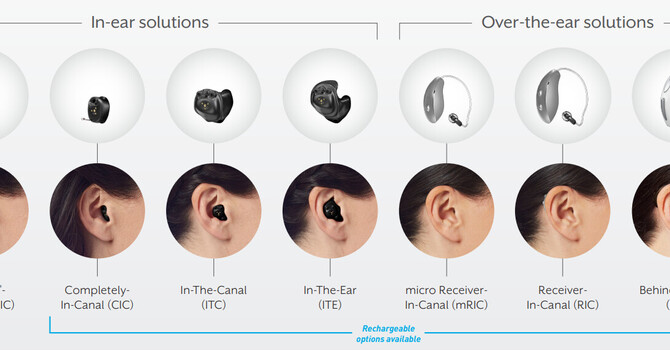
Many modern hearing aids are discreet and designed to blend naturally with your ear. The best style depends on your hearing needs, ear anatomy, dexterity, and lifestyle, not just appearance.
Yes. When properly selected and programmed by an audiologist, hearing aids can significantly improve speech clarity in noise. Follow-up fine-tuning is important to achieve the best results.
Coverage varies by plan. Texas Hearing Center is currently a private-pay practice, and we're completing in-network credentialing with several insurers. In the meantime, many patients are able to seek reimbursement directly from their insurer, and we're happy to help you understand your options. View our pricing here.
Most hearing aids last five to seven years with proper care, though this varies by device and how consistently they're worn.
Ready to Explore Hearing Aids?
Dr. Deven Martin is currently accepting new patients in Humble, Kingwood, Atascocita, and across the greater Houston area, including Porter, New Caney, Conroe, Pasadena, Pearland, and Sugar Land. Same-day appointments are available for hearing evaluations.